
Disclosure: this guide contains partner links. If you book through them, we may earn a commission at no extra cost to you. We rank options by price, conditions and convenience, not by commission. How we handle partner links
The right option is the one that works on your exact phone and is ready before you need maps, hotel messages or train directions. The checks below take about five minutes.

Fast choice
Choose from the constraint that matters most
Start with device compatibility and whether your group will split up. Then check setup timing, data, hotspot use, validity, and support before paying.
01 · Lowest arrival friction
eSIM
Best for an unlocked, eSIM-compatible phone and an individual connection prepared before arrival.
Avoid if the exact model, lock status, installation timing, or provider support is unclear.
- Carry
- No extra device
- Key check
- Model + unlocked
02 · Shared devices
Pocket Wi-Fi
Best for families, laptops, non-eSIM phones, or a group that will stay together.
Avoid if people will split up or pickup, charging, carrying, and return logistics add more friction.
- Carry
- Router + battery
- Key check
- Pickup + return
03 · Known fallback
SIM or roaming
Best for a compatible SIM tray or a home-carrier roaming price and limit you have already confirmed.
Avoid if cost, compatibility, data limits, or arrival setup still depend on guesswork.
- Carry
- SIM tool if needed
- Key check
- Exact terms
Still unsure? Start with eSIM only after confirming the exact phone model and lock status. Choose pocket Wi-Fi when shared access matters more than carrying and returning a router.
Check these before buying a Japan eSIM
An eSIM is a digital SIM profile. It can remove airport pickup and return steps, but only when the phone and plan are a real match.
If your phone is unlocked and supports eSIM, the decision is mostly made; everything else on this list is about avoiding a setup surprise on arrival.
- Confirm the exact model supports eSIM. Do not rely on “iPhone” or “Android” as a complete answer; model, market, carrier, and software can matter.
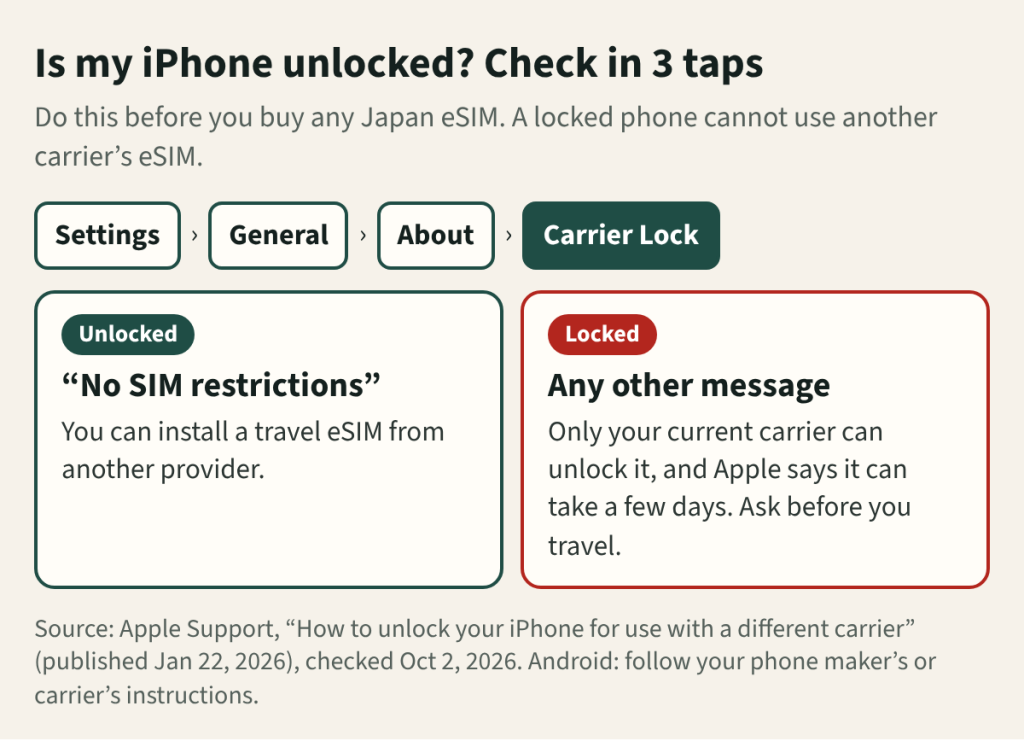
- Confirm the phone is unlocked. On iPhone, Apple says No SIM restrictions next to Carrier Lock means the phone is unlocked. For another device, use the manufacturer or current carrier’s instructions.
- Understand installation and activation timing. Know what should be completed before departure and what should wait until Japan.
- Check the exact plan. Confirm validity days, data allowance, hotspot or tethering rules, supported networks, support contact, and refund wording.
- Keep a first-hour fallback. Save instructions, hotel details, and the first route offline. Temporary roaming or available airport Wi-Fi can help you contact support if setup fails.
If any answer is unclear, do not buy because a page calls one plan “best.” A plan that fails to install is more expensive than a slightly higher-priced option that fits the device and trip.
Where to buy a Japan eSIM or pocket Wi-Fi: 3 options compared
Our pick for most eSIM phones: Airalo. It has fixed prices shown up front, the QR code arrives right away, and you can top up in the app. If you need a pocket Wi-Fi for a group or for phones without eSIM, compare KKday and Klook. Both offer airport pickup.
| Option | Price (checked Oct 1, 2026) | Conditions that matter | Link |
|---|---|---|---|
| 1. Airalo (eSIM) | Unlimited data: US$11.50 for 3 days, $26.50 for 7 days, $48.00 for 15 days. Fixed-data plans are also listed | Data only (no Japanese phone number). SoftBank network listed. Install before you fly. Top-ups in the app | See Airalo Japan plans |
| 2. KKday (eSIM, SIM, pocket Wi-Fi) | Varies by supplier and dates | Marketplace with several suppliers. Pocket Wi-Fi with airport pickup. Terms differ by product, so read the pickup, return and refund rules | Compare on KKday |
| 3. Klook (eSIM, SIM, pocket Wi-Fi) | Varies by supplier and dates | Same marketplace model as KKday. Useful as a second price check for the same dates and pickup airport | Compare on Klook |
These are partner links. Japan Trip Kit may earn a commission at no extra cost to you. We ranked them by price, conditions and convenience, not by commission. Before you pay, check your exact phone model, lock status, data, hotspot rules, validity and refund terms on the live page.
eSIM vs pocket Wi-Fi vs physical SIM vs roaming
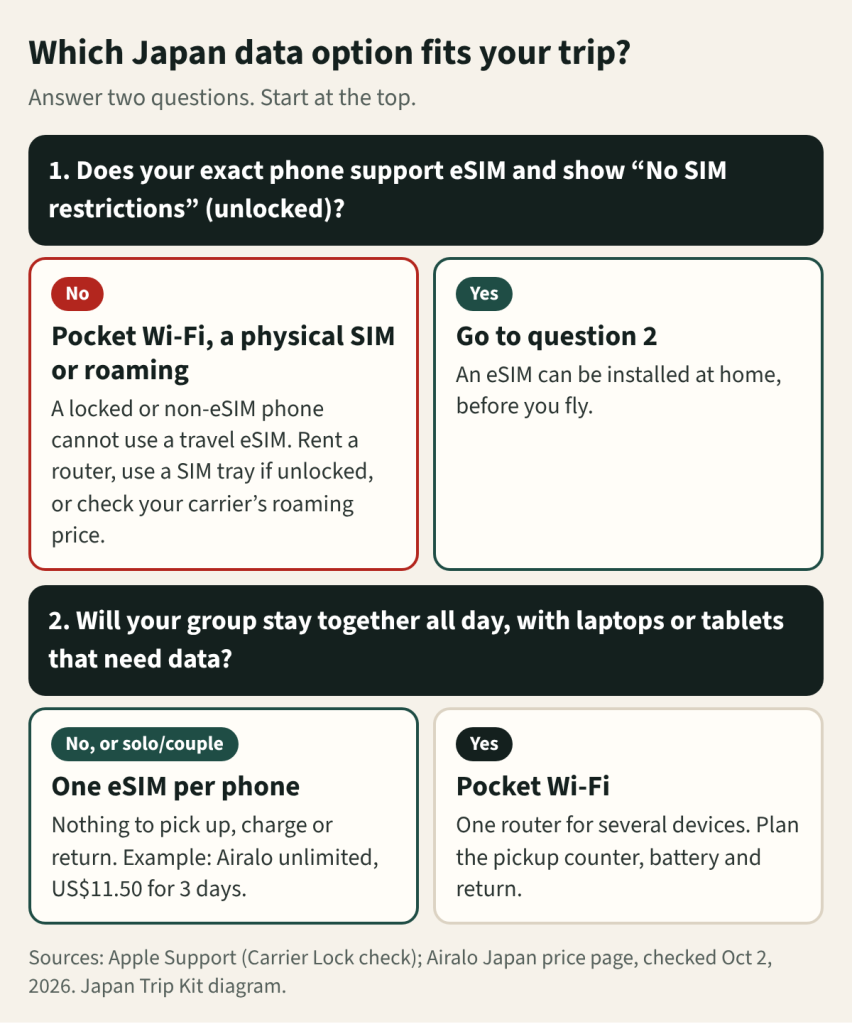
For a solo traveller or couple with recent phones, eSIM is usually the least effort; pocket Wi-Fi earns its place for groups that stay together or phones without eSIM.
| Choice | Usually fits when | Main trade-off | Check before paying |
|---|---|---|---|
| eSIM | Your unlocked phone supports eSIM and you want an individual connection without pickup or return. | Setup can fail when model, lock status, timing, or instructions are misunderstood. | Exact model, lock status, activation timing, data, hotspot, validity, support, and refunds. |
| Pocket Wi-Fi | A family or group stays together, several devices need access, or a phone does not support eSIM. | The router must be collected, charged, carried, shared, and returned. | Pickup location and hours, late-arrival plan, battery, device limit, coverage terms, and return method. |
| Physical SIM | Your unlocked phone has a compatible SIM tray and you are comfortable swapping and configuring it. | Setup can take longer and some phones do not have the tray you expect. | SIM size, model compatibility, APN instructions, data, validity, and what happens to your home SIM. |
| International roaming | Your home carrier offers a clear price and sufficient data for a short or low-data trip. | Unverified pricing, caps, or fair-use rules can make it unexpectedly expensive. | Daily or trip price, data limit, speed policy, eligible countries, and how to stop unwanted roaming charges. |
When eSIM is usually the clearest choice
eSIM is usually the simplest starting point for a solo traveler or couple when each person has an unlocked compatible phone and can follow the provider’s setup instructions. There is no separate router to collect, charge, carry, or return, and the connection can often be prepared before arrival.
The real advantage is timing: you are online the moment you land, before the train, the hotel message or a mobile IC card need data.
That convenience is conditional. Do not assume every model supports eSIM, every phone is unlocked, or every travel plan allows hotspot use. Official device instructions and the live plan terms control the answer.
When pocket Wi-Fi is the better fit
Pocket Wi-Fi can be more practical for a family carrying several devices, a laptop user, or a traveler with a non-eSIM phone. One rental may be easier than installing a separate plan on every device.
Pick it when one connection really will serve the whole group all day; once people split up, the router can only help one of them.
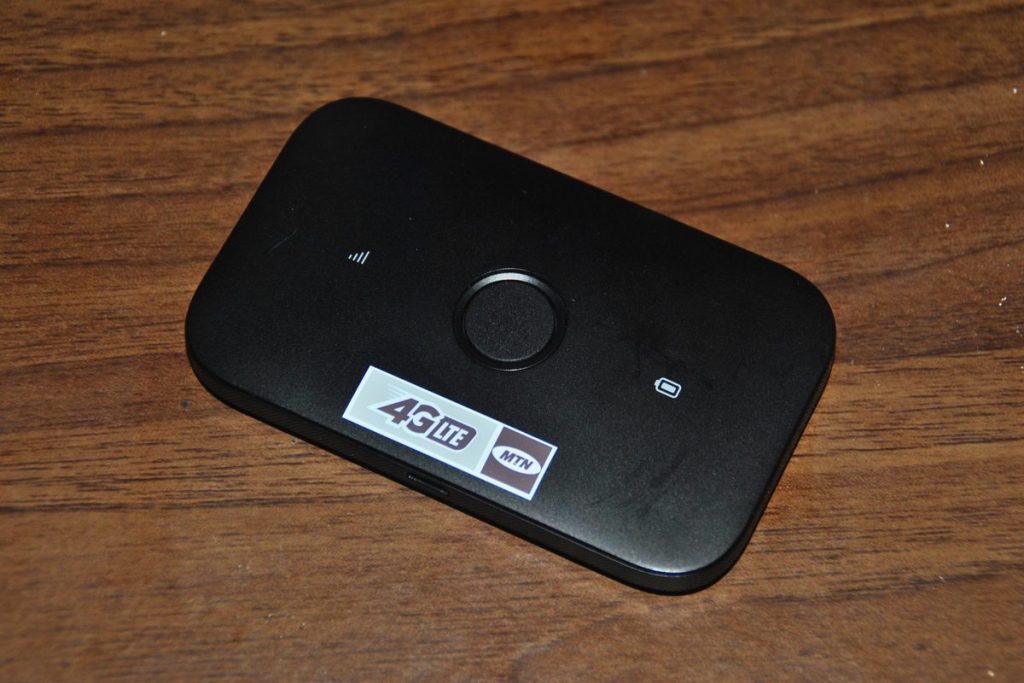
It becomes less convenient when the group splits up, the arrival is too late for the planned pickup, the battery is not managed, or the return route is uncertain. Decide who carries it and how it will be returned before booking.
When a physical SIM or roaming can make sense
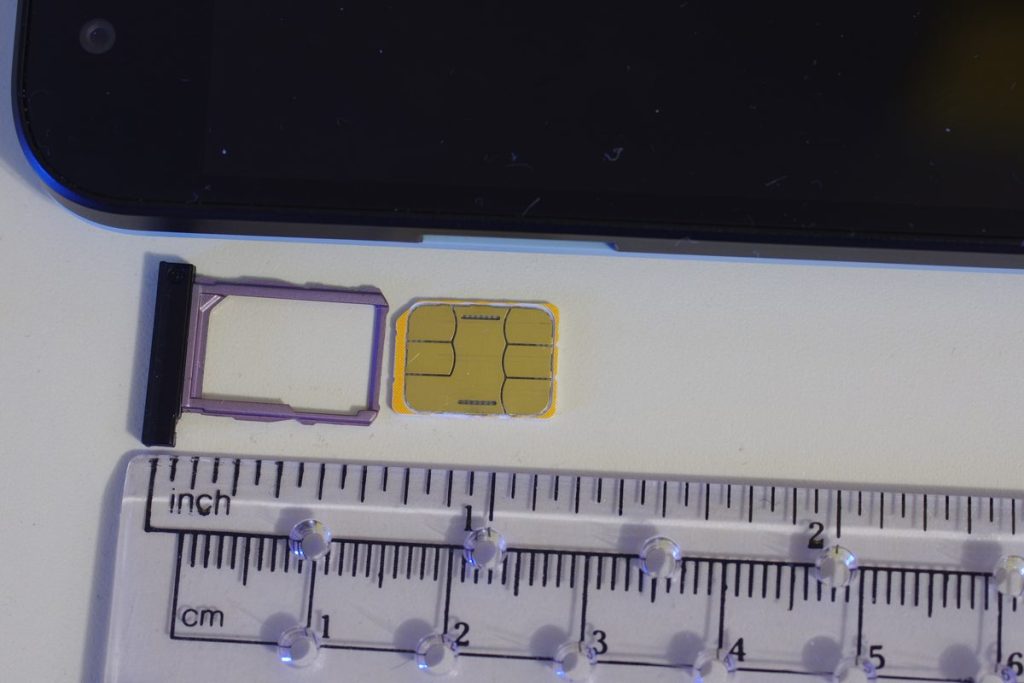
A physical SIM remains a reasonable option when the phone is unlocked, has the correct tray, and the traveler is comfortable swapping and configuring it. Keep the home SIM secure and save any setup instructions offline.
Roaming is the zero-effort fallback; check your home plan’s Japan daily rate first, because it can be cheaper than you expect or much more expensive.
Roaming can be the lowest-effort fallback for a short trip when the home carrier’s price, data limit, and speed policy are already clear. It should not be chosen from a vague promise that it will “just work” without checking the account’s actual terms.
Prepare the connection before departure
Do this the evening before you fly, alongside Visit Japan Web and your IC card setup, so you land with everything working.
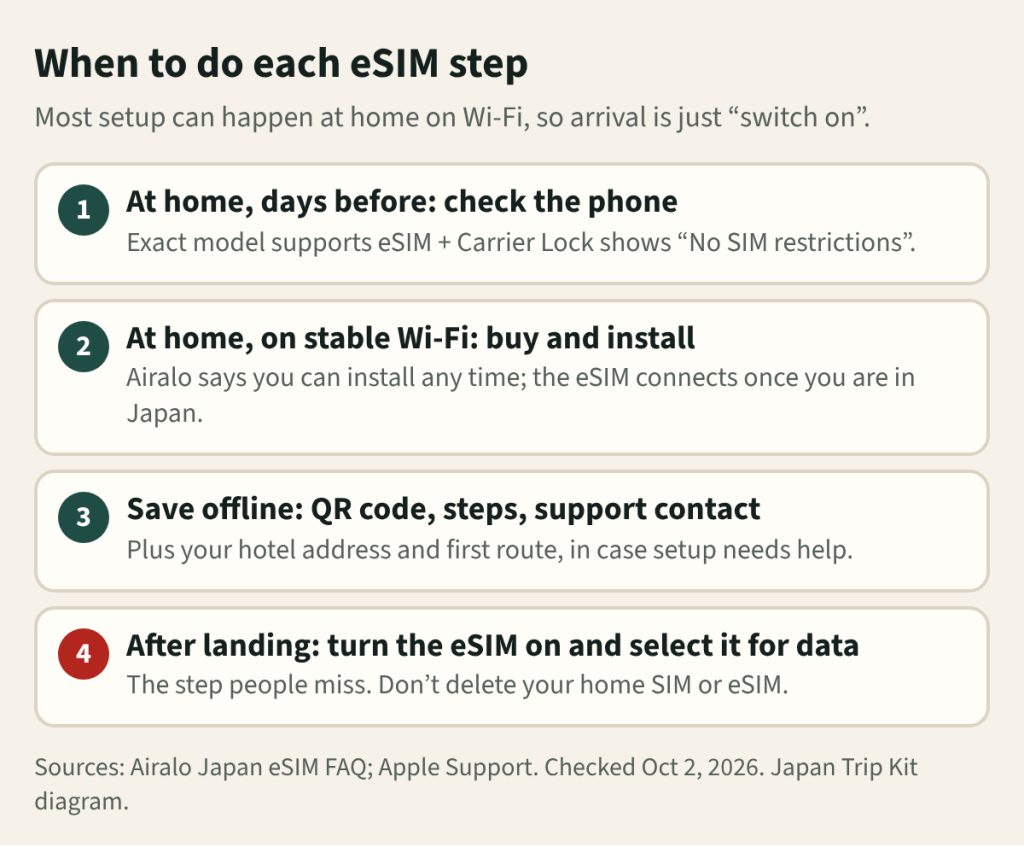
- Save the order confirmation, QR code, installation steps, and support contact somewhere available offline.
- Write down the hotel address and first airport-to-hotel route.
- Confirm whether installation can happen before departure and when the validity period starts.
- Do not delete an existing SIM or eSIM profile unless the provider explicitly instructs you to.
- If using pocket Wi-Fi, confirm pickup, opening hours, charging, return, and late-arrival instructions.
- Test that maps, messaging, and the correct mobile-data line work before leaving the airport.
This preparation is the point: less arrival time spent translating settings or fixing a purchase, and more time getting to the first place you came to Japan to experience.
Common mistakes
Almost every mistake here comes from deciding in the arrivals hall instead of at home.
Buying before checking the exact phone
Model, sales region, carrier lock, software, and plan support can affect eSIM use. Confirm the exact device rather than trusting a generic compatibility list.
Choosing only by headline price
Compare the final plan, not the promotional label. Validity, data, hotspot rules, support, activation timing, and cancellation terms can matter more than a small price difference.
Assuming one router always solves a group trip
A shared router works only while the group stays near it. Separate connections may be more useful when travelers split up.
Waiting until the arrival hall to decide
Arrival is when fatigue, luggage, language, and the need for directions make a rushed setup most costly. Make the choice and save a fallback before flying.
Sources checked
- Apple Support: Set up cellular service on iPhone — device, carrier, and eSIM setup guidance; checked October 2, 2026.
- Apple Support: How to unlock your iPhone for use with a different carrier — Carrier Lock check and carrier-unlock guidance; checked October 2, 2026.
- Google Pixel Help: Set up a new eSIM — Pixel setup steps and carrier-dependent differences; checked October 2, 2026.
- Airalo: Japan eSIMs — unlimited-data prices (3, 5, 7, 10, 15 and 30 days), SoftBank network and install-timing FAQ; checked October 2, 2026 (partner link).
- KKday: Japan connectivity options — active partner destination last verified August 27, 2026; live availability and terms control.
FAQ
Should I buy a Japan eSIM before I fly?
If the exact phone supports eSIM and is unlocked, buying and preparing it before departure can reduce arrival-day friction. Follow the provider’s instructions because installation and activation timing can differ.
Is eSIM better than pocket Wi-Fi in Japan?
eSIM is usually simpler for individuals with compatible unlocked phones. Pocket Wi-Fi can fit groups that stay together, multiple devices, or non-eSIM phones. The group’s movement and the pickup, charging, and return burden decide the better fit.
How do I know if my iPhone is unlocked?
Apple says to open Settings, General, and About. If No SIM restrictions appears next to Carrier Lock, the iPhone is unlocked. Only the current carrier can unlock a locked iPhone.
How much data do I need for Japan?
Maps, messaging, translation, and booking confirmations generally need less data than video, hotspot use, cloud backups, and frequent uploads. Choose from trip length and real habits, then check whether the plan slows or stops after a threshold.
Can I use hotspot with a Japan eSIM?
Only if the exact provider and plan allow it. Check the current plan terms before buying if a laptop, tablet, or another traveler will depend on tethering.
What if the eSIM does not activate after landing?
Use a saved fallback connection to read the provider’s instructions or contact support. Confirm that the eSIM is installed, selected for mobile data, and configured as directed. Do not delete the profile unless the provider tells you to.
Editorial information
- Written by
- Japan Trip Kit Editorial Team
- Published
- Updated
- Last verified
Sources
- Set up cellular service on iPhone — Apple Support
- How to unlock your iPhone for use with a different carrier — Apple Support
- Set up a new eSIM — Google Pixel Help
- Japan eSIMs (prices and FAQ) — Airalo
- Japan connectivity options — KKday partner listing