
Disclosure: this guide contains partner links. If you book through them, we may earn a commission at no extra cost to you. We rank options by price, conditions and convenience, not by commission. How we handle partner links
Japan’s train system looks complicated from the outside, but paying for it is not. Almost every train, subway and city bus in the big cities accepts the same family of rechargeable IC cards, and the cards also work in convenience stores, station lockers and many vending machines. The real decision for a first trip is smaller than it looks: which card is easiest for you to get, and whether one of your days is busy enough for a subway pass to save money.
This guide answers both. Prices and card rules come from JR East, PASMO and Tokyo Metro, checked on October 3, 2026. If you are still planning your arrival, start with our Japan arrival checklist and come back here for the payment step.
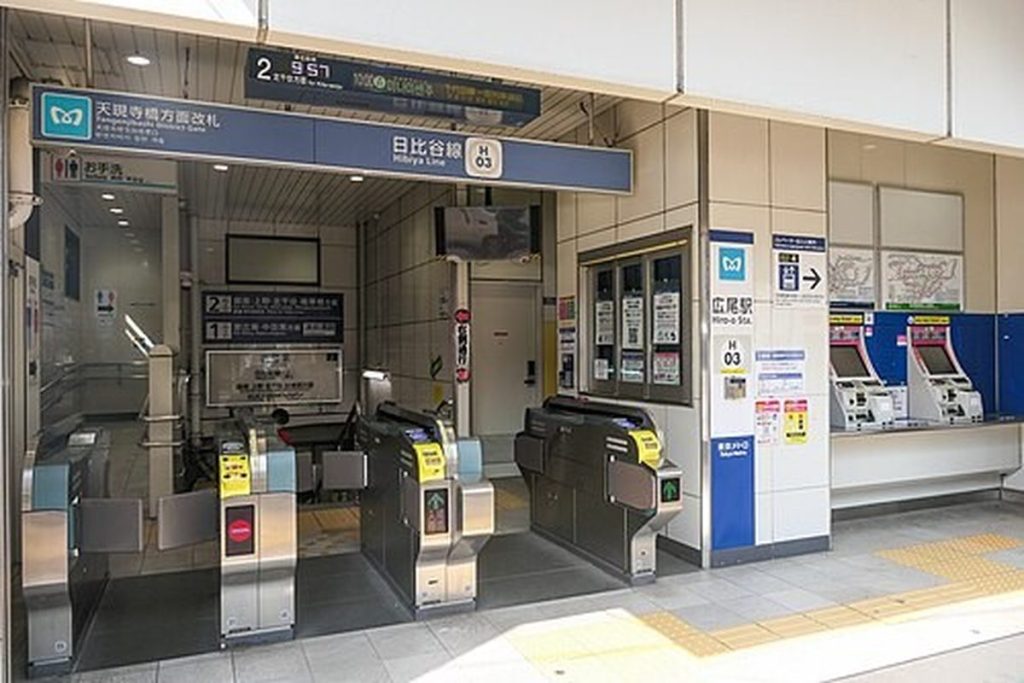
Which IC card should a tourist get?
Use whichever card is easiest to obtain on your phone or at your arrival airport; once loaded, Suica and PASMO work the same way on trains, buses and in shops. The brand on the card matters far less than people expect. Suica (JR East) and PASMO (Tokyo’s private railways and subways) are accepted on each other’s networks and, for rides and payments, on the networks of the other major regional cards such as ICOCA in Osaka and Kyoto.
For a first-timer, that means you can stop comparing logos and compare only three things: how you will get the card, how long you are staying, and whether you want any leftover money back.
| Option | How you get it | Cost and validity | Refund of balance | Best for |
|---|---|---|---|---|
| Suica or PASMO in Apple Wallet | Add it in the Wallet app on an iPhone or Apple Watch and top up with a card in Apple Pay | No card fee; works like a normal Suica or PASMO | Follow the operator’s rules in the app | iPhone users who want no card at all |
| Welcome Suica Mobile (iPhone app) | JR East app for visitors, set up before or after landing | No deposit or app fee; valid 180 days from issue; balance up to ¥20,000 | No: unused balance expires | iPhone users staying up to six months |
| Welcome Suica card | JR East machines and service centres, for example at Narita Airport’s JR stations | ¥1,000 to ¥10,000, all usable value, no deposit; valid 28 days including the day of purchase | No | Visitors landing at Narita or arriving in Tokyo by JR |
| TOURIST PASMO card | Keikyu machines and counters at Haneda; Keisei information centres at Narita (launched May 2026) | Haneda: ¥1,000 to ¥10,000; Narita: ¥2,000; all usable value, no deposit; valid 28 days | No | Visitors landing at Haneda, or taking the Skyliner from Narita |
Android users have a narrower choice. Mobile Suica and PASMO need the FeliCa chip found in phones sold in Japan, and most phones bought elsewhere do not have it, so plan on a physical card unless you have confirmed your model works.
Welcome Suica and Welcome Suica Mobile
Welcome Suica is JR East’s visitor card: you pay ¥1,000 to ¥10,000, all of it is spendable, there is no deposit, and the card stops working on the 29th day. According to JR East, it is sold at Welcome Suica vending machines and JR EAST Travel Service Centers, and it can be topped up to a ¥20,000 balance at machines showing the Welcome Suica mark. Balances are not refunded, so load little and top up as you go.
The practical rule: load about ¥2,000 to ¥3,000 per person at first, then top up in cash at any station machine. That covers a few days of city travel without leaving a large balance to lose at the end of the trip. Note that the “GOOD THRU” date on the back is not the expiry date; the 28-day clock starts when you buy it.
If you have an iPhone, Welcome Suica Mobile does the same job without a plastic card. The app issues a Suica in Apple Wallet, accepts top-ups from a credit card registered in Apple Pay, and stays valid for 180 days from issue. JR East says the app needs a device that supports Apple Pay and users aged 13 or over, and that leftover balance is not refunded.
TOURIST PASMO: the new Haneda and Narita option
TOURIST PASMO replaced the old PASMO PASSPORT in May 2026 and works like Welcome Suica: no deposit, valid 28 days, no refund of the balance. PASMO’s official page lists where to buy it. At Haneda, Keikyu sells it in ¥1,000 to ¥10,000 amounts from traveller ticket machines at the Terminal 1 and Terminal 2 gates and at the Keikyu Tourist Information Center in Terminal 3. At Narita, the Skyliner & Keisei Information Centers in Terminals 1 and 2 sell a ¥2,000 card.
If you land at Haneda and ride Keikyu into the city, this is usually the quickest card to get, because you can buy it a few steps from the train gates. If you land at Narita and take the Skyliner, the same applies at the Keisei counter. Either way, the card is accepted on JR, subways and buses just like Suica.
Older blog posts still mention PASMO PASSPORT. It stopped selling in 2024, so ignore any advice built around it.
How to pay with an IC card, step by step
Tap the card on the reader when you enter the gate and again when you leave; the fare is calculated automatically and the remaining balance appears on the gate display. There is nothing to buy in advance for each ride.
- Top up at the ticket machines marked “Charge”. Most take ¥1,000 notes; some also take coins. Convenience stores can also add value at the register.
- Check the balance on the gate screen as you exit, or at any ticket machine.
- Too little balance? The gate stops you. Use the yellow “Fare Adjustment” machine inside the gate to top up, then exit.
- Buses in Tokyo usually charge a flat fare: tap once when you board. In other cities you may tap on and off; follow the sign by the door.
- Shops, lockers and vending machines accept the card wherever you see the IC logo.
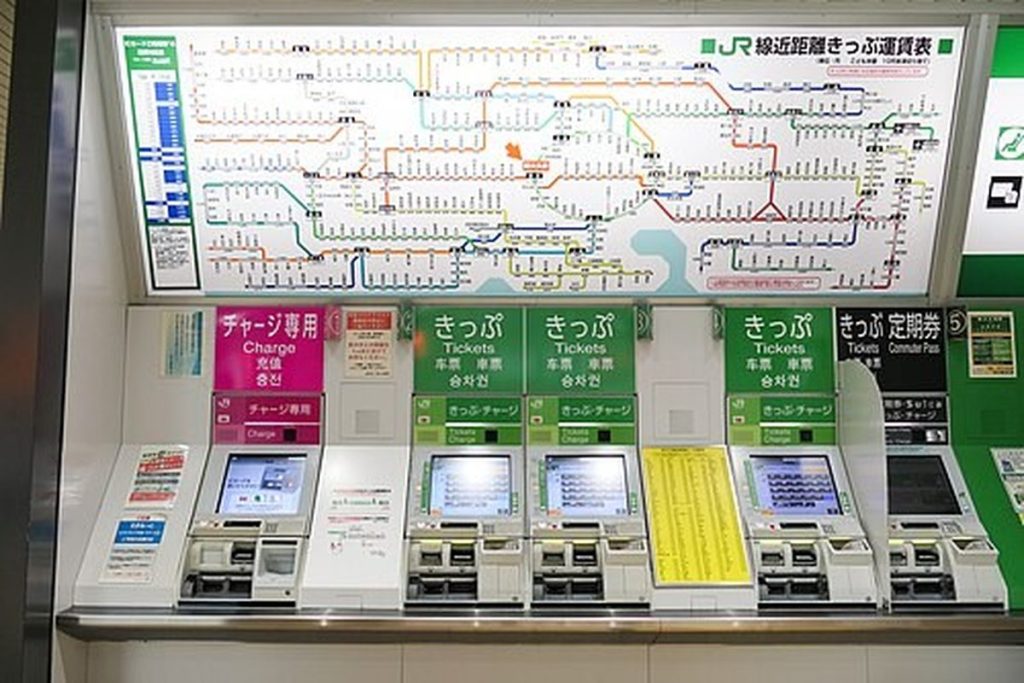
IC fares are also slightly cheaper than paper tickets. On Tokyo Metro, for example, a short ride is ¥178 by IC card and ¥180 by ticket, according to the operator’s fare table. The saving is tiny, but it means you never need to work out the right ticket price.
When the Tokyo Subway Ticket saves money
The Tokyo Subway Ticket pays off when you take roughly five or more Tokyo Metro or Toei rides in 24 hours, or about four a day on the 48- and 72-hour versions. Tokyo Metro sells it to overseas visitors (and Japanese residents from outside the Tokyo region) for unlimited rides on all Tokyo Metro and Toei Subway lines, counted from your first use.
| Ticket | Adult price | Price per day | Break-even at ¥178–¥209 per IC ride |
|---|---|---|---|
| 24-hour | ¥1,000 (child ¥500) | ¥1,000 | About 5 to 6 rides |
| 48-hour | ¥1,500 (child ¥750) | ¥750 | About 4 rides a day |
| 72-hour | ¥2,000 (child ¥1,000) | About ¥667 | About 3 to 4 rides a day |
The catch is coverage: JR lines, including the Yamanote loop, private railways and airport trains are not included. A day like Asakusa → Ueno → Ginza → Roppongi → hotel can be done entirely by subway and easily clears five rides. A day built around Shinjuku, Shibuya and Harajuku on the JR Yamanote Line may not.
If your plan clears that threshold, you can buy the Tokyo Subway Ticket on Klook before you fly (partner link: we may earn a commission). Check the validity period and the redemption steps on the Klook page, and compare them with the Tokyo Metro page above.
Check Tokyo Subway Ticket prices and sales points →
Keep your IC card anyway. You will still need it for JR rides, buses, the airport train and the odd coffee.
Using your card outside Tokyo
Your Suica or PASMO works for rides in Osaka, Kyoto, Nagoya, Fukuoka and Sapporo, because the main regional IC cards accept each other for train and bus fares. PASMO notes that its card is accepted on participating networks across Japan, though not on every line, and that some local railways and rural buses still take cash only.
What it does not do is pay for the Shinkansen in the normal way. For bullet trains, buy a ticket (or use an online reservation service), and check our Shinkansen luggage rules guide if you are carrying a large suitcase. If you are weighing a rail pass for long trips, compare it against single tickets first.
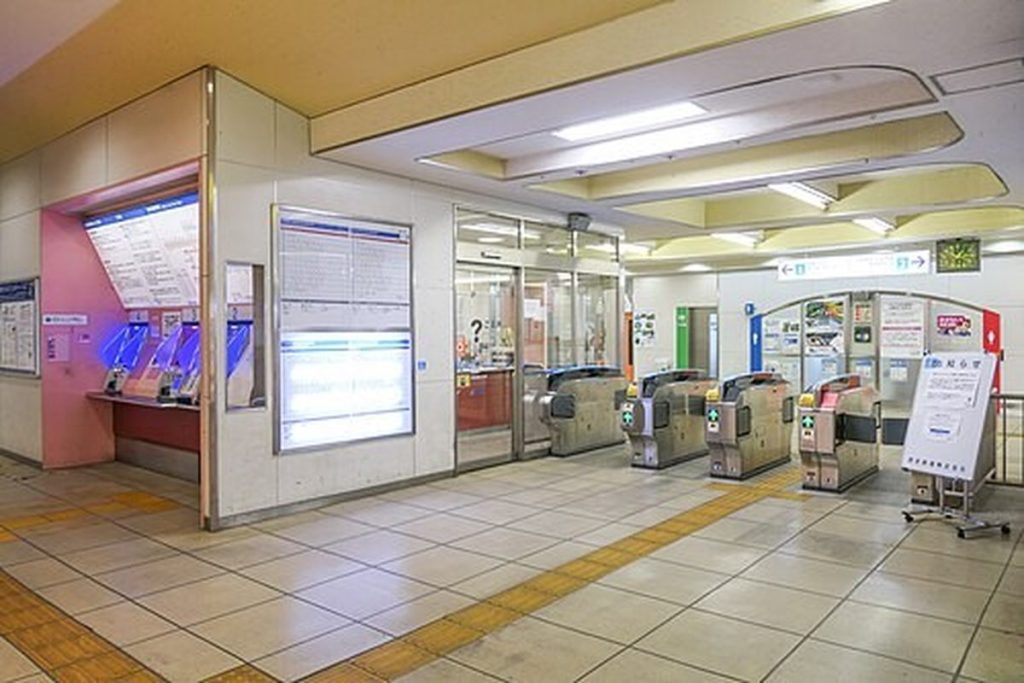
One more limit: IC cards cannot cross between JR areas on a single ride in some regions, for example from the Tokyo area to a station in the JR Central area. If a gate rejects your card on a long trip, a station attendant will settle the fare.
Common mistakes to avoid
Most IC card problems come from loading too much money on a non-refundable card, or from buying a pass before checking whether the day’s route uses it.
- Loading ¥10,000 on a card you cannot refund. Top up small amounts instead.
- Buying a subway pass for a JR-heavy day. Check which lines your stops are on first.
- Expecting the subway pass to cover the airport train. Keikyu, the Tokyo Monorail, the Skyliner and N’EX are all separate fares.
- Sharing one card between two people on the same ride. Each traveller needs their own card at the gate.
- Relying on a contactless credit card at the gate. Some railways now accept them at selected gates, but coverage is still patchy, so keep an IC card as your default.
Before you fly: a two-minute checklist
Decide which card you will use before you land, so you can buy it on the way to the train instead of in a queue after a long flight.
- iPhone: add Suica or PASMO to Apple Wallet, or install Welcome Suica Mobile, and test a small top-up.
- Physical card: note where you will buy it at your arrival airport (TOURIST PASMO at Haneda; Welcome Suica or TOURIST PASMO at Narita).
- Carry about ¥5,000 in cash for top-ups and cash-only places.
- Plan your airport-to-hotel route first: see our Japan airports guide and the Haneda late-night guide if you land after about 23:00.
- Fill in Visit Japan Web so immigration and customs go quickly.
For the rest of your pre-trip list, see what to book before your Japan trip and our eSIM guide, since mobile IC cards need a working phone from the moment you land.
FAQ
Is Suica or PASMO better for tourists?
Neither. For rides and shopping they work the same and are accepted on each other’s networks. Choose whichever is easier to get: TOURIST PASMO is sold next to the Keikyu gates at Haneda, while Welcome Suica is sold by JR East, including at Narita.
Can I get my money back at the end of the trip?
Not on the visitor cards. Welcome Suica, Welcome Suica Mobile and TOURIST PASMO all state that unused balances are not refunded. Spend the last few hundred yen in a convenience store before you fly home.
Do I need a separate card for each person?
Yes. A card can only pay for one person at a gate. Children aged 6 to 11 can use child versions that charge child fares; ask at the counter, where staff may ask to see the child’s passport.
Does the Tokyo Subway Ticket cover the JR Yamanote Line?
No. It covers only Tokyo Metro and Toei Subway lines. Use your IC card for JR, private railways and airport trains.
Sources
Checked on October 3, 2026. Prices and rules can change, so confirm on the official page before you pay.
- JR East: Welcome Suica purchase, price and validity
- JR East: Welcome Suica Mobile
- PASMO: TOURIST PASMO
- PASMO: how PASMO works and compatible cards
- Tokyo Metro: Tokyo Subway Ticket
- Tokyo Metro: regular ticket and IC fares
Editorial information
- Written by
- Mahalohana
- Published
- Updated
- Last verified