
The Japan Rail Pass used to be the default advice for every first trip to Japan. Since the big price rise in 2023, that is no longer true: the classic Tokyo–Kyoto–Osaka route rarely covers the cost of a 7-day pass. It is still excellent value for some trips, so this guide shows the break-even maths with official prices and lets you test your own itinerary.
All pass prices come from the official JAPAN RAIL PASS site and single-ticket fares from JR Central, checked on October 3, 2026. Fares below are for one adult in an ordinary (standard) car in the regular season.
Japan Rail Pass prices in 2026
A 7-day ordinary pass costs ¥50,000 for adults and ¥25,000 for children aged 6 to 11 when bought on the official site. The same pass bought as an exchange order through an overseas agent costs ¥53,000, so where you buy it changes the maths before you have taken a single train.
| Pass | Official site (online) | Exchange order (agent) | Child, online |
|---|---|---|---|
| 7-day ordinary | ¥50,000 | ¥53,000 | ¥25,000 |
| 14-day ordinary | ¥80,000 | ¥84,000 | ¥40,000 |
| 21-day ordinary | ¥100,000 | ¥105,000 | ¥50,000 |
| 7-day Green | ¥70,000 | ¥74,000 | ¥35,000 |
| 14-day Green | ¥110,000 | ¥116,000 | ¥55,000 |
| 21-day Green | ¥140,000 | ¥147,000 | ¥70,000 |
The pass is for visitors entering Japan for sightseeing on a short-term stay; check the eligibility rules on the official site before buying. Days run consecutively from the start date you choose, so a 7-day pass bought for a 10-day trip covers only part of it.
The break-even test
Add up the JR tickets you would buy anyway in the 7 days the pass would cover. If the total is under ¥50,000, single tickets are cheaper. Most first-timers overestimate this number because they count the whole trip, not just the 7 consecutive days.
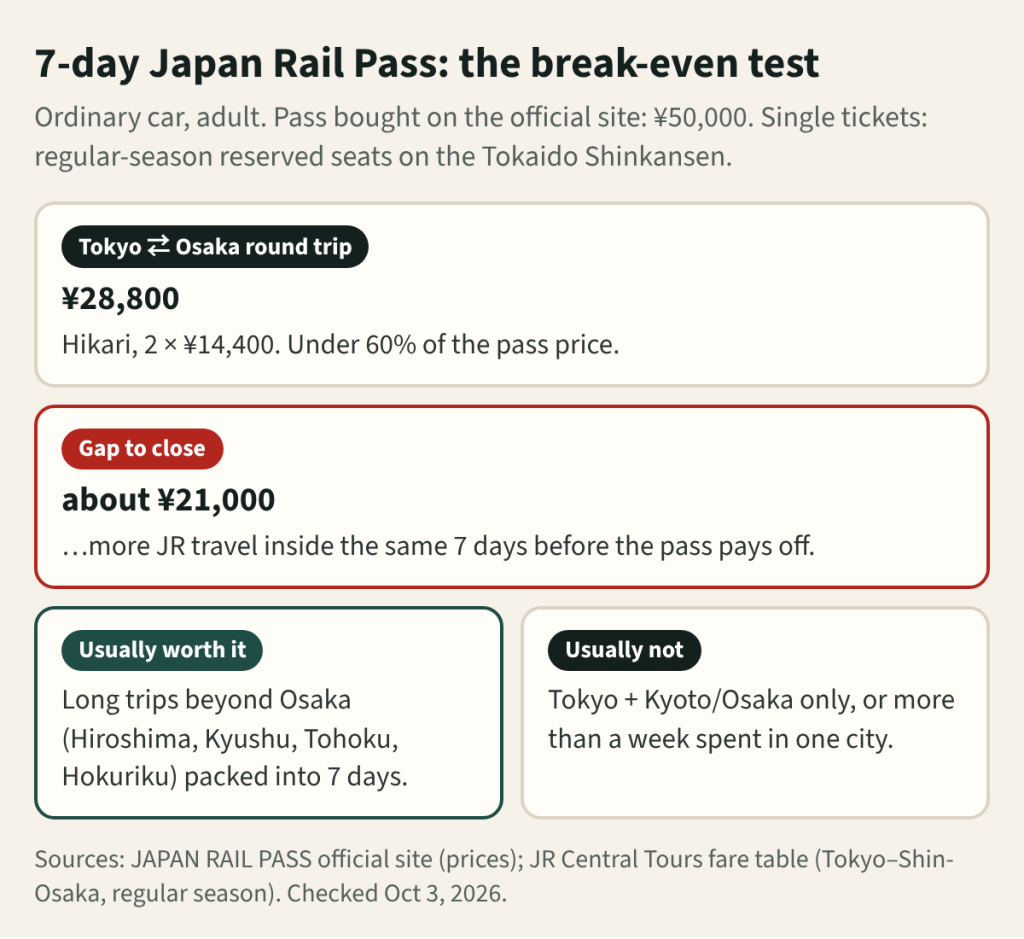
JR Central lists ¥14,400 for a regular-season reserved seat on a Hikari between Tokyo and Shin-Osaka, ¥14,720 on a Nozomi, and ¥13,870 for a non-reserved seat on any train (JR Central Tours fare table). A round trip by Hikari is therefore ¥28,800, about 58% of the pass price.
To close the remaining ¥21,200 you would need, for example, another Tokyo–Nagoya round trip on top (¥11,090 each way by Hikari, ¥22,180 in total: JR Central Tours). Local JR rides around Kyoto, Osaka or Nara cost a few hundred yen each, so day trips there barely move the total. The legs that tip the balance are long ones: Hiroshima, Kyushu, Tohoku or Hokuriku.
Common first-trip itineraries: does the pass pay?
The typical 7- to 10-day first trip does not use enough long-distance JR travel to beat ¥50,000. The table uses only fares published by JR, so you can see exactly where the gap comes from.
| JR travel within the 7 days | Single tickets | Pass verdict |
|---|---|---|
| Tokyo ⇄ Shin-Osaka (Hikari, reserved) | ¥28,800 | Single tickets cheaper by ¥21,200 |
| Same, plus the N’EX from Narita and back (¥5,200 round-trip ticket) | ¥34,000 | Single tickets cheaper by ¥16,000 |
| Same as row 1, but riding Nozomi with the pass | ¥29,440 single (Nozomi) vs ¥59,920 pass + Nozomi tickets | Single tickets far cheaper |
| Tokyo ⇄ Shin-Osaka plus a Tokyo ⇄ Nagoya round trip | ¥50,980 | Roughly break-even |
| Tokyo ⇄ Kansai plus long legs to Hiroshima or Kyushu, or a Tohoku or Hokuriku trip | Often well over ¥50,000 | The pass usually wins: check in the calculator |
Row 3 is the one people miss. If you want the fastest trains, the pass adds a ¥4,960 Nozomi ticket for each Tokyo–Osaka ride, which makes it even harder to come out ahead on the classic route.
The Nozomi rule and what it costs
The pass does not cover Nozomi or Mizuho trains unless you buy a special ticket for each ride; Hikari, Kodama and Sakura are included. That is fine for most sightseeing trips, but if you expected to hop on the next train out of Tokyo, budget for the extra ticket or plan around Hikari departures.
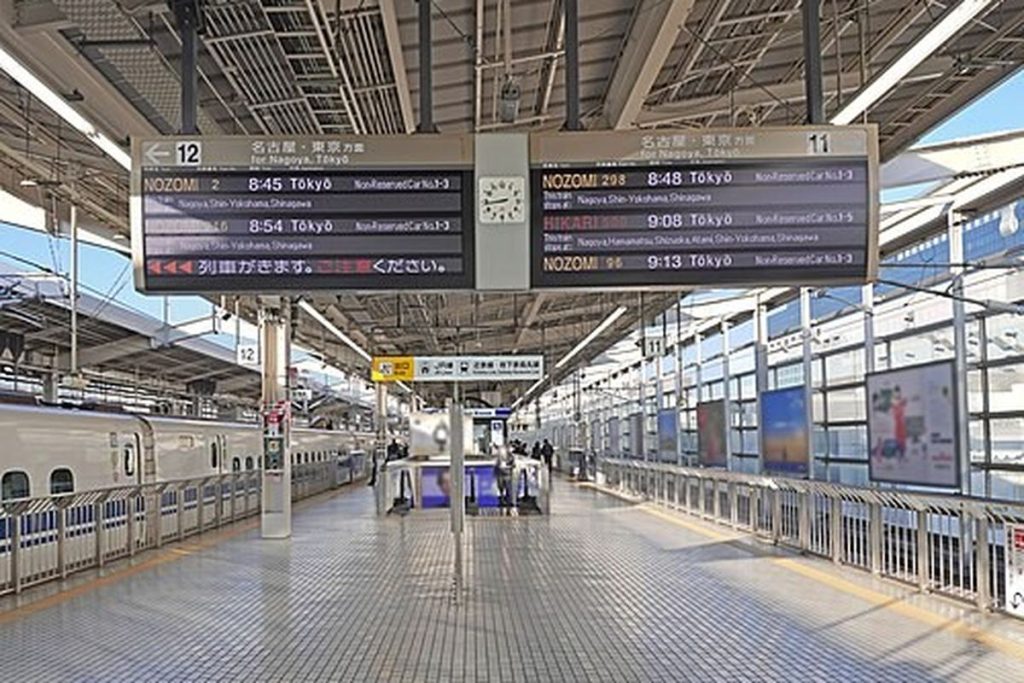
The official prices for the “[ONLY WITH JAPAN RAIL PASS] NOZOMI MIZUHO Ticket” are ¥4,180 Tokyo–Nagoya, ¥4,960 Tokyo–Kyoto or Shin-Osaka, ¥6,500 Tokyo–Hiroshima, ¥4,960 Shin-Osaka–Hakata and ¥5,150 Hakata–Kagoshima-Chūō (JAPAN RAIL PASS).
- You buy it in Japan only, at JR ticket machines or ticket offices, from one month before travel until boarding. It cannot be booked online before you arrive (JR Central).
- One ticket covers one ride. The price is the same for a reserved or non-reserved seat.
- During major peak periods (Golden Week, Obon, New Year and some long weekends) every Nozomi seat is reserved, and Hikari trains fill up too (JR Central). Reserve early if you travel then.
What the pass covers, and what it does not
The pass covers JR trains almost everywhere in Japan, but not the private railways and subways that many city trips rely on. In Tokyo and Osaka you will still pay for most metro rides, so a transit IC card is useful even with a pass.
- Covered: JR lines nationwide including the Shinkansen (except Nozomi and Mizuho without the extra ticket), the N’EX from Narita and the Tokyo Monorail from Haneda (scope of validity).
- Not covered: Tokyo Metro, Toei and Osaka Metro subways, the Keisei Skyliner, the Keikyu Line, and other private railways, unless a JR train runs through and you pay for the private section.
- Extra charges: Gran Class cars need additional fees, and some JR trains that run onto private lines charge for the private section.
- Arriving at Haneda or Narita? Our Haneda and Narita airport guides show which airport trains the pass covers.
If the pass does not pay: cheaper ways to travel
For most Tokyo–Kansai trips, single Shinkansen tickets bought when you need them are both cheaper and more flexible. You are not locked into seven consecutive days, and you can ride any train, including Nozomi, without extra tickets.
- Single tickets: buy at JR ticket machines or ticket offices, or online through JR Central’s smartEX service for the Tokaido, Sanyo and Kyushu Shinkansen.
- Airport trains: if you only need Narita, the N’EX TOKYO Round Trip Ticket (¥5,200 within 14 days) is a far smaller commitment than a pass. Our Narita to Shinjuku guide explains it.
- Regional passes: JR companies also sell passes for a single region; the official site lists them next to the national pass (JAPAN RAIL PASS). They can suit a trip that stays in one area.
- City travel: for Tokyo and Osaka themselves, a transit IC card or a subway pass usually beats any rail pass. See our IC card and subway pass guide.
How to buy and use the pass
If the pass does pay for your trip, buy it on the official site and plan the start date around your longest journeys. Starting it on arrival day in Tokyo, when you will mostly ride the metro, wastes a day you have paid for.
- Buy online on the official site: it costs less than an exchange order, and the official site says only passes bought there let you reserve seats before you pick up the pass (JAPAN RAIL PASS).
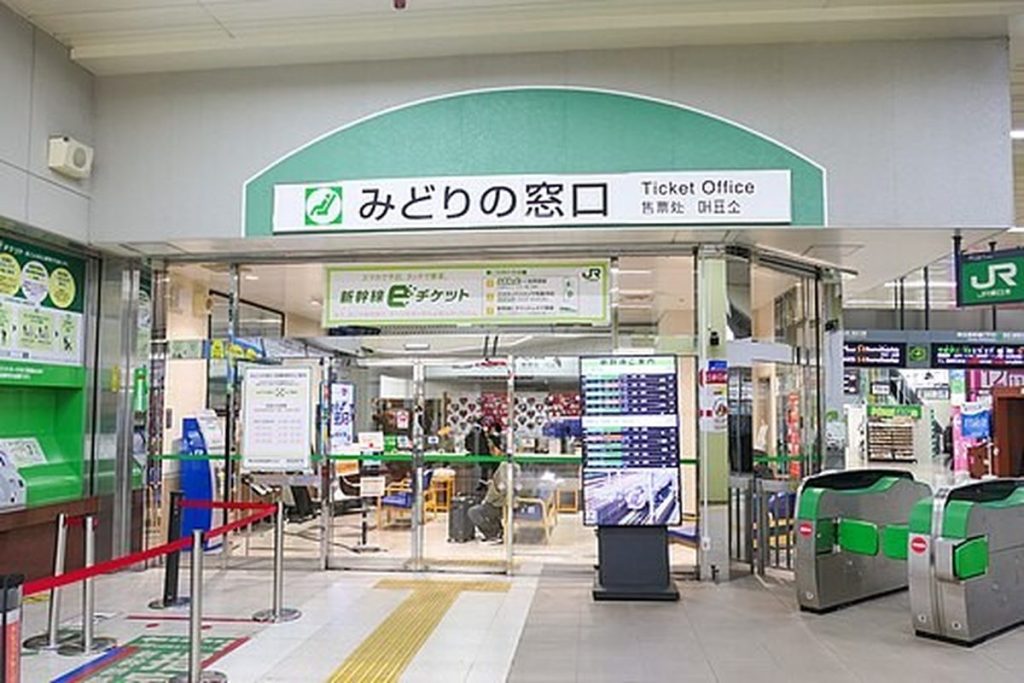
- Pick it up in Japan at a JR station with your passport, then use it at the gates for the days you chose.
- Reserve seats for long Shinkansen rides, especially on Fridays, Sundays and holidays. Non-reserved cars exist on Hikari and Kodama, but you may stand.
- Big suitcases? Bags over 160 cm in total dimensions need a seat with an oversized-baggage area on the Tokaido, Sanyo and Kyushu Shinkansen. See our Shinkansen luggage guide.
Calculator: test your own itinerary
Enter the JR tickets you would buy in the 7, 14 or 21 days the pass would cover, and the calculator compares them with the official pass prices. Use fares from JR’s own route planners or ticket machines, and count only the days inside the pass window.
Interactive planning tool
Japan Rail Pass break-even calculator
Compare the official online ordinary-car pass price with the point-to-point rail total you estimate from your itinerary.
Enter your itinerary estimate to compare.
— —Prices, coverage, and assumptions
Official online ordinary-car prices used: 7 days ¥50,000 adult / ¥25,000 child; 14 days ¥80,000 / ¥40,000; 21 days ¥100,000 / ¥50,000. Prices checked July 10, 2026. Official Japan Rail Pass prices.
Price is not the only decision: confirm eligibility, coverage, travel dates, reservation rules, and supplements. Nozomi and Mizuho use have additional conditions. Official coverage and eligibility.
Before you buy a Japan Rail Pass
Five minutes with your itinerary answers the question better than any rule of thumb.
- List every JR journey inside your 7 (or 14) consecutive days, with dates.
- Price each one at regular fares, Hikari for the Tokaido Shinkansen. Ignore metro rides.
- Total under ¥50,000 for 7 days? Buy single tickets. Over? The pass wins.
- Want Nozomi? Add ¥4,960 per Tokyo–Osaka ride to the pass side.
- Buying the pass: use the official site and choose a start date on the day of your first long journey.
- Travelling at Golden Week, Obon or New Year: reserve seats as early as possible.
JAPAN RAIL PASS: official prices and online purchase →
Planning the rest of the trip? Start with what to book before you fly, our arrival checklist, and the Getting around Japan hub.
Frequently asked questions
How much is the Japan Rail Pass in 2026?
On the official site, an ordinary pass costs ¥50,000 for 7 days, ¥80,000 for 14 days and ¥100,000 for 21 days for adults, and half that for children aged 6 to 11. Exchange orders bought through overseas agents cost a little more, for example ¥53,000 for 7 days.
Is the JR Pass worth it for Tokyo, Kyoto and Osaka?
Usually not. A Tokyo–Shin-Osaka round trip by Hikari costs ¥28,800 in the regular season, and Kyoto is on the way. You would need about ¥21,000 more of JR travel within the same 7 days for the ¥50,000 pass to pay off.
Can I ride the Nozomi with a Japan Rail Pass?
Only with a separate “NOZOMI MIZUHO Ticket” for each ride, sold in Japan to pass holders: ¥4,960 for Tokyo–Kyoto or Shin-Osaka and ¥6,500 for Tokyo–Hiroshima. Hikari and Kodama trains are included in the pass.
Does the JR Pass cover the Tokyo subway?
No. Tokyo Metro and Toei subways are separate companies. The pass covers JR lines in Tokyo, such as the Yamanote Line, plus the N’EX from Narita and the Tokyo Monorail from Haneda.
Where is the cheapest place to buy the Japan Rail Pass?
The official JAPAN RAIL PASS website, where the 7-day ordinary pass is ¥50,000 against ¥53,000 for an exchange order from an overseas agent.
How we checked: official sources
- JAPAN RAIL PASS: types and prices
- JAPAN RAIL PASS: about the pass
- JAPAN RAIL PASS: scope of validity
- JAPAN RAIL PASS: use of NOZOMI/MIZUHO trains and JR Central: special ticket for Nozomi
- JR Central Tours: Tokaido Shinkansen times and fares (Japanese) and seat types and fares (Japanese)
- JR Central: all-reserved Nozomi during peak periods
- JR East: N’EX TOKYO Round Trip Ticket
Last checked against these sources on October 3, 2026 (JST). Pass prices and fares change; confirm on the official pages before you buy.
Editorial information
- Written by
- Mahalohana
- Published
- Updated
- Last verified
Sources
- Types and prices — JAPAN RAIL PASS
- Use of NOZOMI/MIZUHO trains — JAPAN RAIL PASS
- Scope of validity — JAPAN RAIL PASS
- Tokaido Shinkansen times and fares — JR Central Tours
- Special ticket for Nozomi — JR Central