
Photo: MaedaAkihiko / Wikimedia Commons, CC BY-SA 4.0
Osaka and Kyoto are linked by four railways, and all of them are cheap, frequent and easy to use. That makes the choice confusing for first-time visitors, but the answer is usually simple: pick the line that leaves near your hotel and arrives near where you want to start in Kyoto. This guide compares the JR Special Rapid, the Shinkansen, Hankyu and Keihan in yen and minutes, shows which one to take from each Osaka hotel area, and explains when paid seats or rail passes are worth it.
Osaka to Kyoto: the four options compared
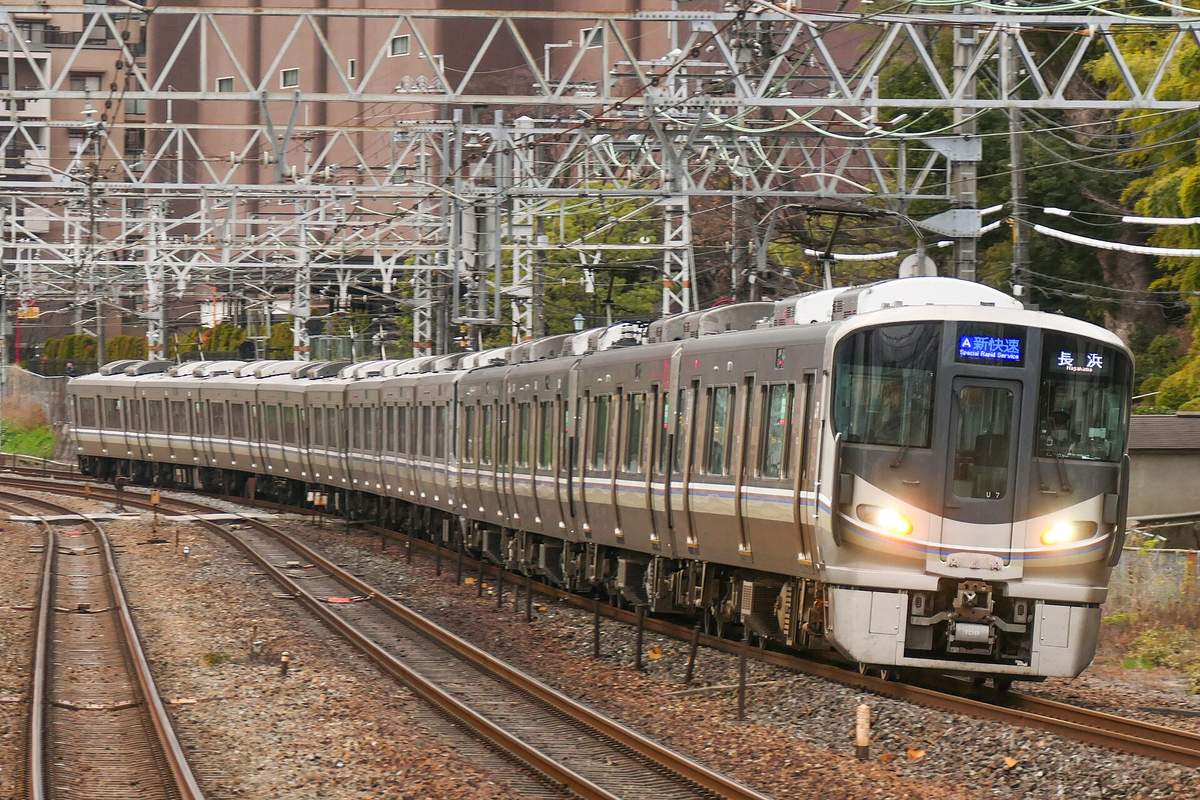
The JR Special Rapid is the fastest from Osaka Station, Hankyu is the cheapest, and Keihan is best for Gion. The Shinkansen is quickest on paper, but only from Shin-Osaka, and it costs more than twice as much as JR’s ordinary trains. The bigger difference is where each line arrives: JR stops at Kyoto Station, while Hankyu and Keihan take you into central Kyoto.
| Osaka → Kyoto, adult, one way | Fare | Time | Arrives at |
|---|---|---|---|
| JR Special Rapid from Osaka Station | ¥580 | About 29 min | Kyoto Station |
| Shinkansen (non-reserved) from Shin-Osaka | ¥1,450 (¥580 fare + ¥870 charge) | About 13 min | Kyoto Station |
| Hankyu Kyoto Line from Osaka-umeda | ¥410 | About 45 min | Karasuma or Kyoto-kawaramachi (Shijo, downtown) |
| Keihan Main Line from Yodoyabashi | ¥490 | About 48 min on a Limited Express | Gion-shijo or Sanjo (by the Kamo River) |
For two people doing a day-trip round trip, the gap between the cheapest and dearest ordinary train is small: ¥1,640 by Hankyu and ¥2,320 by JR. That is why choosing by price alone makes little sense. A ¥200 saving is easily lost on a bus fare across Kyoto if the line drops you in the wrong part of the city.
Which line to take from your Osaka hotel area
Start from the line nearest your hotel, then check where it lands in Kyoto. From Umeda, take JR for Kyoto Station or Hankyu for downtown. From Namba or Shinsaibashi, Keihan from Yodoyabashi is usually the easiest way to Gion. A short subway ride in Osaka is easier than an extra bus in Kyoto, where city buses near the sights are often crowded.
- Umeda / Osaka Station hotels, going to Fushimi Inari, Nara or Kyoto Station hotels: JR Special Rapid to Kyoto Station (¥580). From there the JR Nara Line runs to Inari Station, and the Kintetsu and JR lines to Nara also start here.
- Umeda hotels, going to Shijo, Nishiki Market or Gion: Hankyu to Kyoto-kawaramachi (¥410). You come up at Shijo-Kawaramachi, about a 10-minute walk from Gion across the Kamo River.
- Umeda hotels, going to Arashiyama: Hankyu to Arashiyama costs the same ¥410, with a change at Katsura. It ends on the south side of the Togetsukyo Bridge.
- Namba / Shinsaibashi hotels: take the Osaka Metro Midosuji Line north to Yodoyabashi (three stops from Namba), then Keihan to Gion-shijo (¥490). Use JR or Hankyu from Umeda instead if you are going to Kyoto Station or Arashiyama.
- Near Osaka Castle or Kyobashi: Keihan from Kyobashi Station, so you don’t need to go into Umeda at all.
- Near Shin-Osaka: the JR Special Rapid from Shin-Osaka takes about 24 minutes to Kyoto for ¥580. The Shinkansen saves about 10 minutes for ¥870 more.
If you are moving hotels and have big suitcases, the station matters even more. Kyoto Station is large, but taxis and buses leave from right outside it. If your Kyoto hotel is near Shijo, Hankyu or Keihan puts you closer. Either way, avoid weekday rush hour, roughly 7:30 to 9:30 a.m., when the trains toward Osaka and Kyoto fill with commuters. Our luggage forwarding guide explains how to send cases ahead instead.
JR Special Rapid: the default from Osaka Station
Take the JR Special Rapid if you start at Osaka Station or are going to Kyoto Station. It costs ¥580, takes about 29 minutes, runs several times an hour, and is covered by the Japan Rail Pass and the JR Kansai Area Pass. It is a normal commuter train, so there is nothing to book: tap your IC card at the JR gates and board.
Look for “Special Rapid” (新快速) on the departure boards. Ordinary Rapid and Local trains run on the same line but stop more often and take longer. The Special Rapid is often crowded and you may have to stand for the half hour. If you want a guaranteed seat, some Special Rapid trains carry a paid A-Seat car, which costs ¥600 per train when booked on JR West’s e5489 site, on top of your fare. JR West’s Kansai Area Pass does not cover it.
Buying a rail pass just for this trip doesn’t pay. The JR Kansai Area Pass costs ¥2,800 for one day, while a JR round trip is ¥1,160. It only makes sense if you also ride the Haruka airport train or go on to Nara or Kobe on the same day. Whether a full Japan Rail Pass pays off is a separate calculation, covered in our JR Pass break-even guide.
Is the Shinkansen from Shin-Osaka worth it?
Usually not. The Shinkansen takes about 13 minutes from Shin-Osaka to Kyoto, against about 24 minutes on the Special Rapid, but it costs ¥1,450 instead of ¥580. Paying ¥870 to save about 10 minutes only makes sense if you hold a JR Pass, or if you are already on the Shinkansen platforms connecting from another long-distance train.
It also doesn’t help from most hotels. The Shinkansen leaves only from Shin-Osaka, which is one stop north of Osaka Station, so from Umeda or Namba you would ride to Shin-Osaka first and lose the time you save. With a Japan Rail Pass, Hikari and Kodama trains are covered, but Nozomi trains need an extra special ticket. During major holiday peaks, JR Central makes every Nozomi seat reserved, and passengers with non-reserved tickets can only stand. If you are coming from Tokyo, Kyoto is one stop before Shin-Osaka, so see our Tokyo to Kyoto Shinkansen guide instead.
Hankyu or Keihan: the cheaper way into central Kyoto
Take Hankyu (¥410) from Umeda if you want Shijo, Nishiki Market or Arashiyama, and Keihan (¥490) if you want Gion, Kiyomizu-dera or Fushimi Inari. Both take about 45 to 50 minutes, longer than JR, but they arrive in the middle of the city, which usually saves you a bus or subway ride at the Kyoto end.
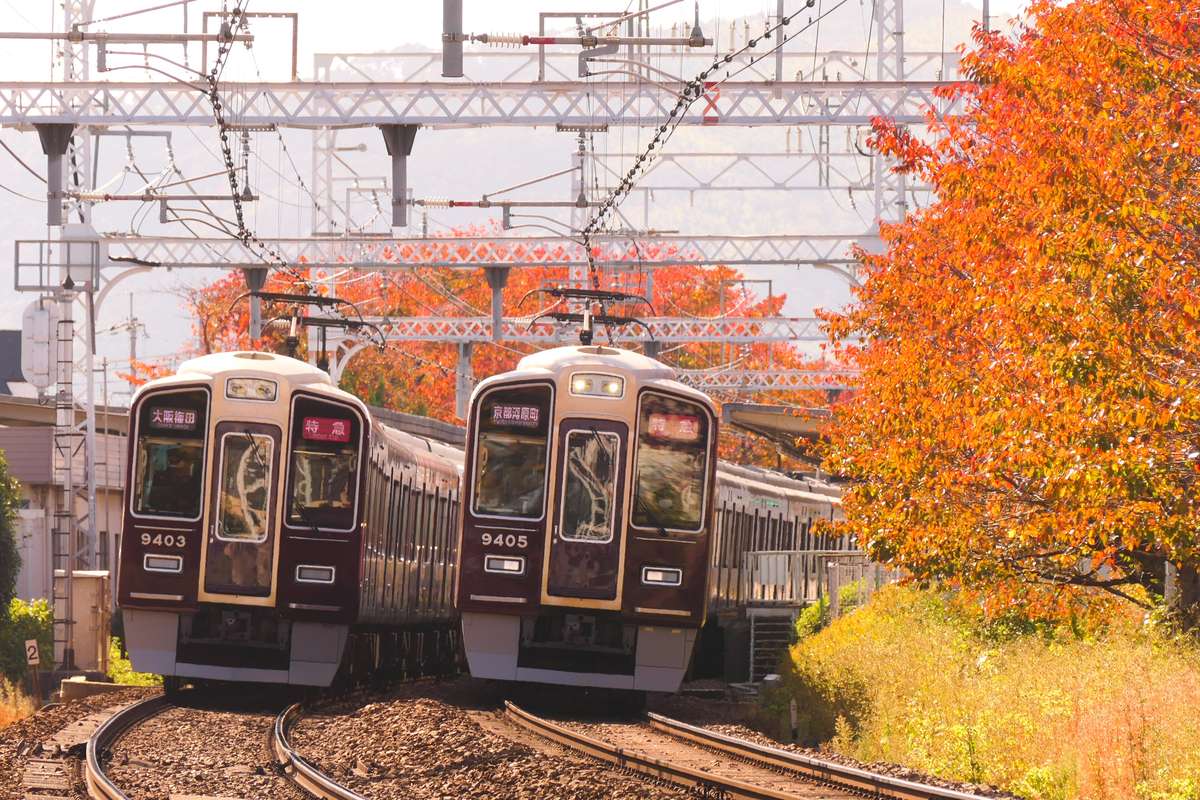
Photo: MaedaAkihiko / Wikimedia Commons, CC BY-SA 4.0
Hankyu’s Osaka-umeda Station is a short walk from JR Osaka Station. Take a Limited Express or another fast train toward Kyoto-kawaramachi. Get off at Karasuma for Shijo-Karasuma and the subway, or at the last stop, Kyoto-kawaramachi, for Nishiki Market, Pontocho and Gion. Keihan runs along the Kamo River. Gion-shijo Station is at the foot of the Gion district, and Kiyomizu-gojo is the nearest stop for walking up to Kiyomizu-dera. Keihan also serves Fushimi-Inari Station, but Limited Express trains pass it, so check the platform display for a train that stops there.
Both private lines also have their own day passes. Keihan’s KYOTO-OSAKA SIGHTSEEING PASS, sold to overseas visitors, costs ¥1,650 for one day, against a ¥980 round trip from Yodoyabashi to Gion-shijo. It pays off only if you add Fushimi Inari and Uji, or several other Keihan rides, on the same day. The Hankyu One-Day Pass for FY2026 costs ¥1,300 and is a digital ticket bought online by credit card. A plain Umeda–Kyoto round trip costs ¥820, so it is worth it only if you add something like Arashiyama and Kobe on the same day.
Paid reserved seats: PRiVACE, Premium Car and A-Seat
A reserved seat costs ¥500 to ¥600 extra on all three ordinary-train lines, and it is worth it on busy autumn weekends, for the ride home after a long day, or when you’d rather not stand for 45 minutes. On a quiet weekday morning, when there are plenty of seats, keep the money.
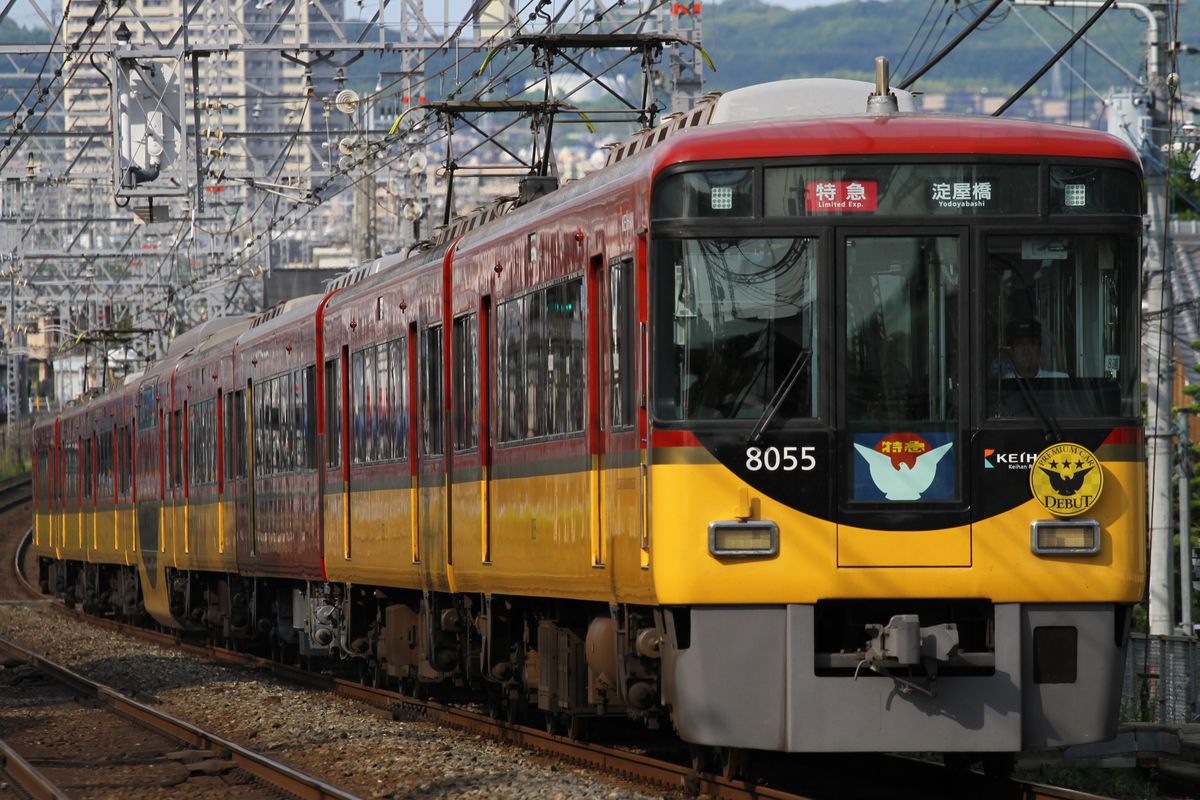
Photo: 日根野 (Hineno) / Wikimedia Commons, CC BY-SA 4.0
- Hankyu PRiVACE: one reserved car on some Limited Express, Commuter Limited Express and Semi-Limited Express trains, for a flat ¥500. Board at car 4 counted from the Osaka-umeda end, through the middle door. The trip costs ¥910 with the fare.
- Keihan Premium Car: ¥500 for trips over 34 km, which covers Yodoyabashi to the central Kyoto stations, so ¥990 from Yodoyabashi to Gion-shijo. Seats can be booked from 10:00 a.m. 14 days before the travel date.
- JR A-Seat: ¥600 per train when booked on e5489, on some Special Rapid trains only. That makes ¥1,180 with the fare, still cheaper than the Shinkansen.
JR passes don’t cover Hankyu or Keihan at all, and JR West’s Kansai Area Pass doesn’t cover the A-Seat. With Keihan’s sightseeing pass, you still pay the Premium Car charge. Seat tickets are valid only for the train printed on them, so buy them just before you travel rather than days ahead, unless it is a busy weekend.
When to skip the obvious choice
Don’t default to Kyoto Station if your first stop is in Gion or Arashiyama, and don’t buy a pass for a single round trip. These are the mistakes that cost first-time visitors the most time and money.
- JR to Kyoto Station, then a bus to Gion: you save about 15 minutes on the train but join one of Kyoto’s busiest bus routes. Hankyu or Keihan go straight there.
- The Shinkansen from Umeda or Namba: getting to Shin-Osaka first wipes out the time saved. Use it only from Shin-Osaka, ideally with a JR Pass.
- A day pass for one round trip: the JR Kansai Area Pass (¥2,800), Keihan’s sightseeing pass (¥1,650) and the Hankyu One-Day Pass (¥1,300) all cost more than a single round trip on their own line.
- Starting a Kyoto day trip after lunch: the train is the easy part. Kyoto’s main temples are spread out and many close around 5:00 p.m., so leave Osaka by 9:00 if you can.
- Going to Nara the same day: from Osaka, go direct on Kintetsu from Osaka-Namba or JR from Osaka Station rather than through Kyoto. If you are based in Kyoto, see our Kyoto to Nara day trip guide.
Frequently asked questions
What is the cheapest way from Osaka to Kyoto?
Hankyu, at ¥410 one way for an adult from Osaka-umeda to Kyoto-kawaramachi, Karasuma or Arashiyama. Keihan costs ¥490 to Gion-shijo and JR costs ¥580 to Kyoto Station. Children aged 6 to 11 pay about half.
What is the fastest way from Osaka to Kyoto?
From Osaka Station (Umeda), the JR Special Rapid, at about 29 minutes. The Shinkansen takes about 13 minutes but leaves only from Shin-Osaka, so it is faster only if you are already there.
Do I need to book the train from Osaka to Kyoto?
No. JR Special Rapid, Hankyu and Keihan trains have unreserved seating, so just tap in with an IC card. You only need a ticket in advance for a paid reserved seat (PRiVACE, Premium Car or A-Seat) or a reserved Shinkansen seat.
Can I use the Japan Rail Pass from Osaka to Kyoto?
Yes, on JR trains: the Special Rapid and the Hikari and Kodama Shinkansen. Nozomi trains need an extra special ticket. The pass is not valid on Hankyu or Keihan.
Can I use ICOCA or Suica between Osaka and Kyoto?
Yes, for the basic fare on JR, Hankyu and Keihan. Paid reserved seats need a separate seat ticket. Our IC card guide explains which card to get.
How we checked: official sources
- JR Central: timetable and fare search (Osaka/Shin-Osaka → Kyoto, Special Rapid and Shinkansen; Japanese) and Nozomi all-reserved peak periods
- JR West: Kansai Area Pass (price and valid trains) and A-Seat ticketless reserved seat on e5489 (Japanese)
- Hankyu: fare search (Japanese), PRiVACE timetable and seat charge (Japanese) and Hankyu One-Day Pass FY2026
- Keihan: fares from Yodoyabashi, revised October 1, 2025 (Japanese, PDF), Premium Car charges (Japanese, PDF) and KYOTO-OSAKA SIGHTSEEING PASS
- Kyoto City Official Travel Guide: getting to Kyoto (travel times from central Osaka)
- JAPAN RAIL PASS: using Nozomi and Mizuho trains
All checked October 14, 2026. Fares and timetables can change, so confirm the train and price on the operator’s site before you travel.
Editorial information
- Written by
- Mahalohana
- Published
- Updated
- Last verified